




What is sleep apnea?
Sleep apnea is a potentially serious sleep disorder that occurs when a person’s breathing is interrupted during sleep. People with untreated sleep apnea may stop breathing repeatedly during sleep, sometimes hundreds of times in one night.
There are two main types of sleep apnea:
There are two main types of sleep apnea:
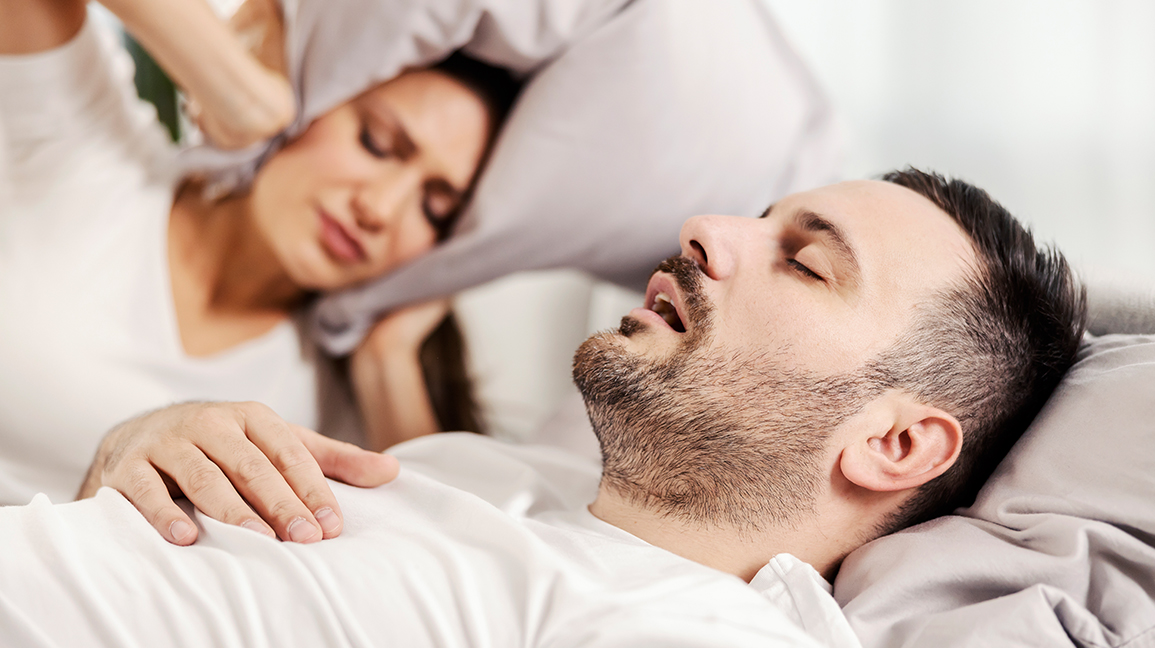
Obstructive Sleep Apnea (OSA):
The most common type, caused by repetitive episodes of complete or partial blockage of the upper airway during sleep. During an episode, the diaphragm and chest muscles work harder to open the airway, often resulting in a loud gasp or body jerk. These episodes can interfere with sleep, reduce oxygen to vital organs, and cause heart rhythm problems
Central Sleep Apnea (CSA):
Occurs when the airway is not blocked, but the brain fails to send proper signals to the muscles that control breathing. This is related to dysfunction in the central nervous system.
What causes sleep apnea?
OSA: Blockage of the airway, usually due to soft tissues in the rear of the throat collapsing during sleep.
CSA: Often linked to central nervous system problems (e.g., stroke, ALS, neuromuscular disease) or heart/pulmonary failure.
CSA: Often linked to central nervous system problems (e.g., stroke, ALS, neuromuscular disease) or heart/pulmonary failure.
What are the Effects of Sleep Apnea?
If untreated, sleep apnea may cause serious health issues such as:
- Hypertension
- Stroke
- Arrhythmias
- Cardiomyopathy (enlarged heart muscle)
- Heart failure
- Diabetes
- Heart attacks
It can also lead to impaired job performance, accidents, motor vehicle crashes, and poor academic performance.